

No products in the cart.
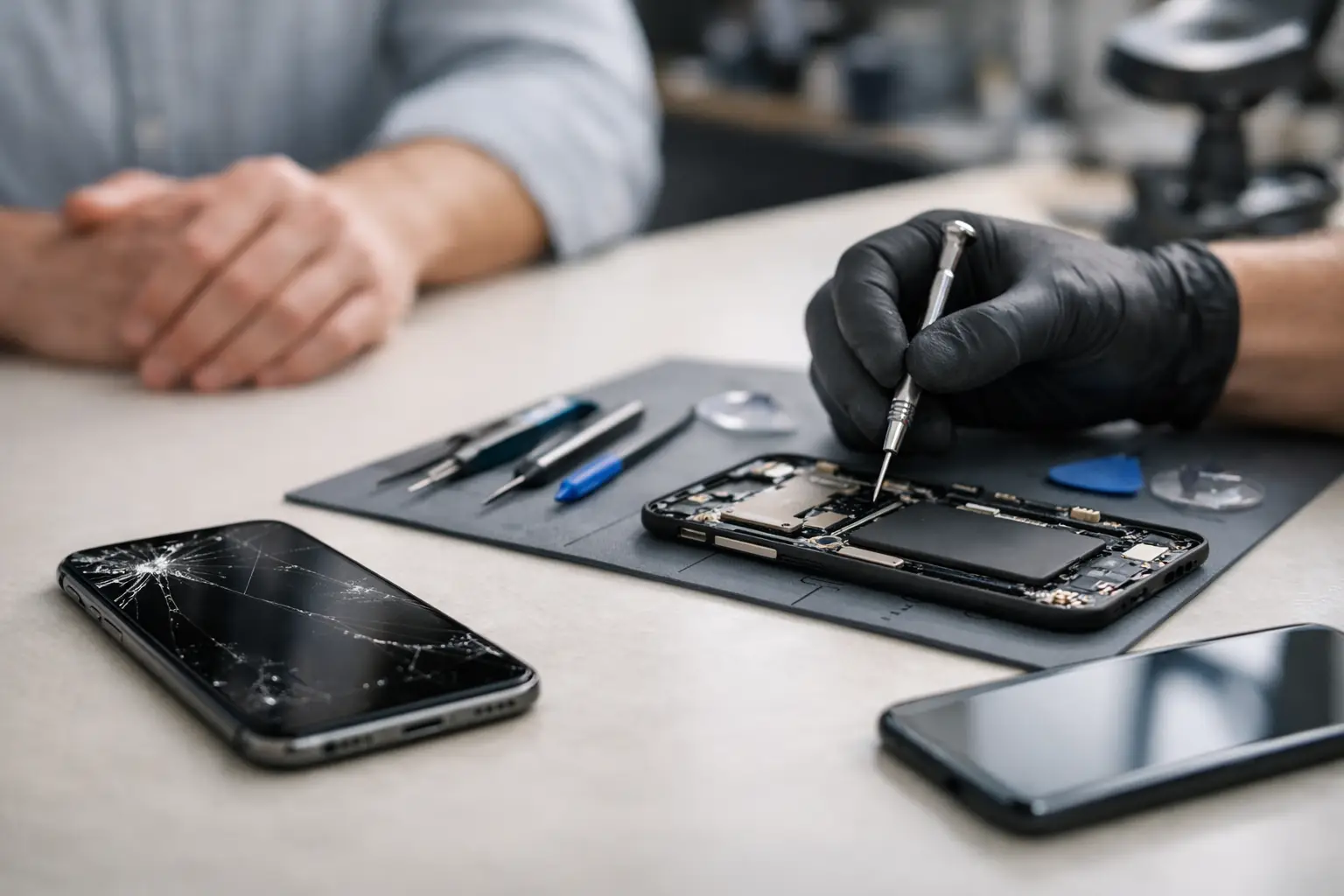
That moment when your phone slips, hits the floor, and lands face-down is bad enough. The next question comes fast: is phone repair worth it, or are you about to throw money at a device that should just be replaced? For most people, the answer depends on three things – the age of the phone, the type of damage, and how much the repair costs compared to buying another device.
If you use your phone for work, school, banking, travel, family photos, and everyday life, speed matters too. A good repair is not just about saving money. It is about getting your phone back the same day, keeping your data, and avoiding the hassle of setting up a new device from scratch.
Phone repair usually makes sense when the issue is common, isolated, and affordable to fix. A cracked screen, worn-out battery, faulty charging port, or broken camera can often be repaired quickly without replacing the whole device.
A screen replacement is the clearest example. If your phone still turns on, holds a signal, and works normally except for shattered glass or display damage, repair is often the smarter move. Buying a new phone to solve one broken part is usually the more expensive option, especially if the rest of the device is in good shape.
Battery replacement is another easy yes in many cases. A lot of people assume their phone is dying when it is really just an aging battery. If the device is slowing down, draining too fast, or shutting off at random, replacing the battery can make it feel reliable again for a fraction of the cost of a new phone.
Charging port repairs also fall into this category. If your phone only charges at a certain angle or stopped charging altogether, that does not automatically mean the entire device is done for. A targeted repair can restore normal use without forcing you into an expensive upgrade.
There are cases where replacement makes more sense. If the phone has multiple major problems at once – for example, heavy screen damage, battery failure, water damage, and camera issues – repair costs can stack up quickly.
The age of the device matters too. If your phone is several generations old, no longer gets software updates, and already feels slow for your daily needs, putting money into it may only delay the inevitable. In that situation, repair can still be useful as a short-term fix, but it may not be the best long-term value.
Severe water damage is another gray area. Sometimes water damage restoration works well, especially when the device is brought in quickly. Other times, corrosion has already affected multiple internal components. That is why free diagnostics matter. You need to know whether the phone has a realistic path back to stable performance before paying for a repair.
In most cases, yes. If the phone is otherwise working well, screen repair is usually worth it because it restores usability, protects internal components, and costs much less than buying a comparable replacement.
People often wait too long on cracked screens because the phone still technically works. That can create bigger problems. Small cracks spread. Touch response can get worse. Dust and moisture can slip inside. A quick repair now can prevent a more expensive issue later.
For newer phones, this is even more true. If you paid a premium for the device, replacing it because of one damaged screen usually does not make financial sense. A fast repair with genuine parts and a comprehensive warranty is often the practical choice.
Usually, yes – especially if the phone is less than three or four years old and meets your needs otherwise. Battery replacement is one of the most cost-effective repairs because it directly fixes one of the most frustrating daily problems.
A weak battery affects everything. Your phone dies during calls, drains before lunch, and makes travel or work harder than it should be. If the device still performs well but cannot hold power, replacing the battery can add real life back to it.
This is one of the most overlooked repairs because people mistake battery wear for total device failure. In reality, a certified technician can often confirm the issue quickly and get you back to normal use with same-day service.
If you are asking whether repair is worth it, you are really asking about value. Not just sticker price, but total cost.
A new phone is not only the cost of the device. It can also mean activation fees, accessories, case replacement, data transfer time, app logins, setup frustration, and the risk of spending more than you planned. Even if you finance the purchase, you are still committing to a much larger expense.
Repair is often the lower-stress choice when the phone has life left in it. You keep your photos, settings, apps, and familiar device. You avoid a major purchase. And if the repair is done right the first time, it buys you more time to upgrade on your terms instead of in a panic.
That is why transparent pricing matters. A trustworthy repair shop should tell you clearly what is wrong, what it costs, and whether the repair makes sense. If a technician cannot explain that in plain language, keep looking.
Not all repair services offer the same value. A cheap repair is not a bargain if the part fails in two weeks or creates new issues. If you want the repair to be worth it, the shop matters almost as much as the problem itself.
Look for certified technicians, genuine parts when available, and a comprehensive warranty. Fast repairs are important, but speed should not come at the cost of quality. The best shops balance both – same-day service for common issues, clear diagnostics, and parts that are built to last.
This is especially important for screen, battery, and charging repairs. Poor-quality parts can affect touch sensitivity, brightness, charging reliability, and overall performance. Saving a little upfront can cost more later if you need the job redone.
A good repair experience should also feel simple. You should be able to walk in, get a free diagnostic, hear your options clearly, and make a decision without pressure. That peace of mind is part of the value.
If your phone still fits your daily life, repair is more likely to be worth it. That means it runs the apps you use, takes decent photos, holds a signal, and does not constantly freeze or crash.
A newer model with one isolated problem is usually a strong repair candidate. The same goes for a phone that has sentimental value, important data, or a setup you do not want to rebuild.
Many people also choose repair because it is faster. If you need your device for work, rideshare apps, travel, two-factor authentication, or family communication, waiting days for a replacement is not always realistic. Fast repairs solve the immediate problem without disrupting your week.
Most of the time, yes – especially for cracked screens, battery issues, charging problems, and other common damage on a phone that still works well overall. Repair is often the more affordable, faster, and less stressful option.
The exceptions are usually older phones with multiple serious issues or devices that no longer meet your needs even if repaired. That is where an honest diagnostic becomes so important. You do not need a sales pitch. You need a clear answer.
At iFix Hub, that is exactly how phone repair should work: fast repairs, free diagnostics, genuine parts, and a comprehensive warranty that gives you confidence in the fix. When the repair is done right, it is not just worth it. It is the easiest way to get back to normal without overspending.
Before you replace your phone, give it a fair assessment. A simple repair may be all it takes to save money, keep your data, and get your day back on track.






Need help? Our team is just a message away