
No products in the cart.

A cracked phone screen before a flight, a laptop battery that dies during class, or a charging port that quits before a workday creates one immediate question: authorized versus independent repair – which option gets your device back in your hands with the least hassle? The right answer depends on your device, the damage, your warranty status, and how quickly you need a dependable fix.
Manufacturer-authorized service and a qualified independent repair shop can both be good choices. What matters is knowing what each route provides, what it may cost, and the questions to ask before handing over a device that holds your photos, work files, and daily life.
An authorized repair provider has a formal relationship with a device manufacturer. Depending on the brand and repair type, that can mean access to manufacturer-approved parts, diagnostic systems, repair procedures, and warranty processes.
For a newer phone, tablet, or laptop that is still covered by a manufacturer warranty or protection plan, authorized service may be the most straightforward route. If the issue qualifies for coverage, your out-of-pocket cost could be lower than an uninsured repair. It can also be the right choice for certain complex hardware failures, recalls, or repairs that require manufacturer-specific calibration.
The trade-off is often time and price. Authorized locations may need to send the device away, schedule a later appointment, or follow a replacement process instead of repairing the exact device you brought in. Out-of-warranty pricing can also be high, especially for screen damage, battery issues, or liquid exposure. That may be acceptable when preserving manufacturer coverage is your top priority, but it is not always the fastest answer to an urgent problem.
The decision is not simply official versus unofficial. A trusted independent shop can offer skilled, warranty-backed repair with more flexibility, while an authorized provider may be better positioned for coverage-related work. Compare the factors that affect your situation.
Independent repair shops commonly offer competitive pricing for everyday damage because they focus on repair rather than replacement. A reputable shop should inspect the device, explain the problem in plain language, and provide a clear estimate before work begins. Free diagnostics are especially helpful when the cause is not obvious, such as a phone that will not charge or a laptop that will not power on.
Authorized service can be cost-effective when a valid warranty, insurance plan, or service program applies. Without coverage, however, the quote may be based on fixed manufacturer pricing, and the recommended solution may be a full unit replacement rather than a targeted repair. Always ask whether the price includes parts, labor, taxes, and any diagnostic fee.
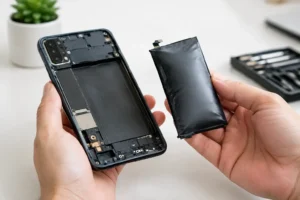
When your phone is your wallet, camera, map, and connection to family, waiting a week is more than inconvenient. Independent repair is often built around urgent local needs. For common issues such as cracked screens, worn batteries, damaged charging ports, and camera problems, same-day service may be available when the right part is in stock and the device condition allows it.
Authorized repair can be quick in some cases, particularly at a staffed service center with appointments available. But availability varies, and mail-in service adds shipping and processing time. If you need a fast repair, ask one direct question before you go: “Can you complete this repair today, and what could delay it?”
Parts deserve a straightforward conversation. Authorized providers generally use manufacturer-supplied parts when performing eligible repairs. That can be a strong advantage for customers who want the manufacturer’s prescribed process, especially on a newer device.
Independent shops may offer different part options based on the model and repair. The best shops explain the difference clearly instead of hiding it behind vague promises. Ask whether the part is genuine, OEM-quality, or aftermarket; how it is tested; and what warranty comes with the repair. “Cheapest” is not always the best value if it means poor display quality, weak battery life, or a short-lived fix.
For some devices, a replacement part may trigger an on-screen notification, affect a feature, or require calibration. A professional technician should tell you about that possibility before the repair begins. Clear expectations are a sign that the shop respects both your device and your budget.
If your device is covered by a manufacturer warranty, read the terms or contact the manufacturer before approving a non-covered repair. Rules vary by brand, device, and country, and a repair outside the authorized network may affect how a manufacturer handles future warranty claims related to the repaired component.
That does not mean independent repair automatically voids every warranty. It means you should understand the terms and keep your paperwork. A dependable independent shop also stands behind its own work with a comprehensive warranty on eligible parts and labor. Get the warranty details in writing, including its length, what it covers, and what happens if the issue returns.
Both repair routes require trust. Your device may contain banking apps, private messages, business files, and years of photos. Before any repair, back up your data if the device still works. Remove a SIM card or eSIM profile only if your carrier and device setup make that appropriate, and never share account passwords unless there is a specific, explained need.
Ask how the shop handles customer data, whether you need to disable a security feature, and what happens if the device cannot be repaired. For water damage and failed storage, data recovery is not guaranteed, but quick professional diagnosis can improve the chances of saving important files. Avoid repeated charging attempts after liquid exposure – power the device down and bring it in promptly.
Independent repair is often a practical fit for out-of-warranty devices, common physical damage, and customers who need fast local help. It can be especially useful when your phone screen is broken, your battery no longer lasts through the day, the charging port is loose, or your laptop needs a clear diagnosis without a long service-center wait.
Look for a shop that gives you more than a low quote. You want experienced technicians, transparent part options, a written warranty, and a realistic timeline. Reviews can help, but the conversation at the counter matters too. A good technician will explain what they found, what repair is recommended, what alternatives exist, and whether the repair is worth making based on the age and value of the device.
At iFix Hub, the goal is simple: assess the issue clearly and help customers move forward with fast repairs, quality parts, and warranty-backed service when a local solution is the right fit.
Choose authorized service when your manufacturer warranty or protection plan is active and likely to cover the problem. It is also worth considering for a device with a recall, a serious factory defect, a highly specialized component issue, or a repair that depends on brand-specific tools and calibration.
Authorized service may also give you more peace of mind if you plan to trade in the device through the manufacturer soon and want service records within that ecosystem. Just be sure to ask about turnaround time, backup requirements, replacement versus repair, and any cost if coverage is denied after inspection.
You do not need to be a tech expert to make a smart choice. Ask what caused the issue, what repair is recommended, how long it will take, and what the complete price will be. Ask what type of replacement part will be used and whether all major functions will be tested afterward, including charging, cameras, speakers, microphones, face or fingerprint features, and wireless connectivity.
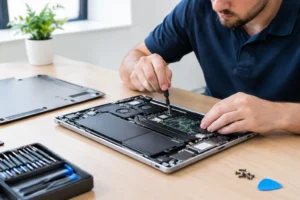
For laptops, ask whether the quote includes data backup or recovery, operating system work, and testing of the battery, keyboard, ports, and screen. For water-damaged devices, ask about the odds of success and whether corrosion can cause later problems. An honest shop will not promise certainty where none exists.
The best repair decision is the one that matches your device’s condition and your real priorities. If coverage and manufacturer procedures matter most, authorized service may be worth the wait. If you need a clear answer, fair pricing, and a fast local fix for a common problem, an experienced independent technician can be the better path – and getting a professional diagnosis now can keep a small issue from becoming a device-ending one.




Need help? Our team is just a message away