
No products in the cart.

A cracked screen right before a work trip can make phone insurance feel like the smartest purchase you ever made. But a phone insurance comparison is not as simple as choosing the lowest monthly price. The real question is whether the coverage saves you money and gets your phone back in your hands fast when something actually goes wrong.
For many everyday repairs, the answer depends on the damage, your deductible, your phone’s age, and how long you can afford to be without it. Here is how to compare your options without paying for coverage that does not fit your needs.
Phone insurance is designed for sudden, accidental damage rather than normal wear. Most plans may cover a cracked display, liquid damage, accidental drops, theft, loss, and sometimes mechanical failure after the manufacturer’s warranty expires. Coverage details vary widely, so the plan name alone does not tell you much.
A screen replacement is the most common reason people use a protection plan. Some policies offer a low screen repair fee, while others charge the same deductible for any accidental damage. A low-cost screen claim can be valuable on a newer flagship phone, where an out-of-pocket repair may cost hundreds of dollars.
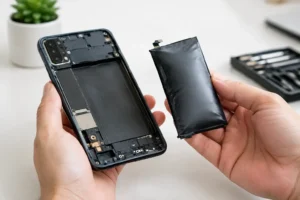
Water damage is where insurance can become more useful. A phone that will not turn on after a pool, rain, or spill may need diagnostics, cleaning, component-level repair, or replacement. If the insurer declares the phone beyond repair, it may send a replacement device after you pay the deductible. That can be a good outcome, but it may not be the fastest one.
Theft and loss protection are usually optional add-ons. They can provide real peace of mind for travelers, commuters, parents, and anyone who regularly carries an expensive phone. Still, these claims often have higher deductibles and more documentation requirements than repair claims.
A $10 monthly plan may sound inexpensive, but it costs $120 per year before you make a claim. Add a $99, $149, or even $249 deductible, and your total cost after one incident can be higher than a direct repair. That does not automatically make insurance a bad deal. It means you need to compare the full cost, not just the premium.
Start with the value of your current phone. Insurance tends to make more financial sense for recent high-end devices, especially if replacing the phone would strain your budget. If your phone is a few years old and its resale value has dropped, paying premiums and a large deductible may be harder to justify.
Also consider your repair history. Someone who has cracked two screens in the last year may benefit from coverage with an affordable screen repair fee. Someone who uses a protective case, screen protector, and has never needed a repair may be better off setting aside the monthly premium in a personal repair fund.
Speed matters, too. Some carrier and manufacturer plans offer same-day repairs in certain areas, but availability can be limited by appointment slots, part inventory, and approved service locations. Mail-in service can take longer, and a replacement claim may require shipping time. When your phone is essential for work, school, banking, navigation, or family communication, days without it can be more costly than the repair itself.
The best way to evaluate a plan is to add up what you could pay in a realistic scenario. Review the monthly premium, repair fee or deductible, replacement deductible, service fees, sales tax, and any limits on the number of claims you can make.
For example, a plan with a $12 monthly premium costs $144 in one year. If a broken screen carries a $29 repair fee, your first screen incident effectively costs $173 that year. If you instead need a replacement and the deductible is $199, your total reaches $343. Compare those numbers with a transparent local repair quote before filing a claim.
Do not assume a replacement is always brand-new. Many policies provide a refurbished device of the same model or a comparable device. It should function properly, but it may not be identical to your original phone in color, storage capacity, condition, or carrier compatibility. Read the replacement terms before you depend on that option.
Every protection plan has exclusions. Cosmetic damage that does not affect function is commonly excluded. A scratched frame or small chip may not qualify for a claim, even if it bothers you. Damage caused by intentional misuse, unauthorized modifications, or pre-existing issues may also be denied.
There may be a waiting period before coverage starts, especially for device protection purchased outside a carrier account. Some plans require the phone to be fully functional when you enroll. If your screen is already cracked or the battery is failing, buying a plan afterward will not usually cover that existing problem.
Battery replacement deserves a close look. Batteries naturally wear down over time, and insurance may treat that as normal deterioration rather than accidental damage. A manufacturer’s warranty or extended warranty may cover a defective battery, while an insurance plan may not. If your phone dies by lunchtime but has no accidental damage, a direct battery replacement can often be the more practical route.
Pay attention to repair requirements as well. Insurers may require you to use a specific repair provider or follow a claims process before any work begins. An unauthorized repair could affect future claim eligibility or other coverage. If your phone is under manufacturer warranty, ask whether a third-party repair could affect that warranty before authorizing service.
These options solve different problems. Phone insurance is primarily for accidental damage, loss, theft, and certain unexpected failures. An extended warranty generally focuses on mechanical or electrical defects after the original warranty expires. A local repair shop is often the direct option when you need a known issue fixed quickly and the cost is lower than your deductible.
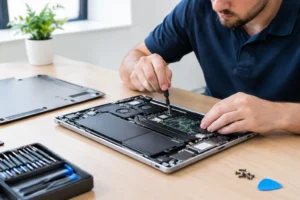
For a straightforward cracked screen, charging port issue, camera problem, or worn battery, paying for repair can be less complicated than opening a claim. You know the price up front, you avoid increasing your total insurance cost, and you may get your device back the same day depending on the model and parts availability.
At iFix Hub, customers can start with free diagnostics to understand what failed before deciding whether an insurance claim or a direct repair makes better financial sense. That matters with water damage and charging issues, where the visible symptom does not always reveal the full repair needed.
Insurance may be a strong fit if you own a premium phone, have a history of accidental damage, or would struggle to replace your device without help. It can also make sense if you want loss and theft protection, which a repair shop cannot provide.
It is especially useful for families with teenagers, people who work outdoors, frequent travelers, and business users who cannot risk paying full replacement price after a serious accident. The right plan turns a major unexpected expense into a predictable one, even if you still pay a deductible.
That said, coverage is not automatically worthwhile just because a phone is expensive. If the deductible is close to the phone’s current market value, replacement protection may offer less value than it appears. Review the plan again when you upgrade, pay off your phone, or keep a device longer than two years.
A direct repair is often the better choice when the damage is limited, the deductible is high, or the claim process will leave you without a phone for too long. It can also be the right move when the repair cost is lower than your annual premium plus claim fee.
Ask for a diagnosis and a clear quote before assuming the worst. A phone that will not charge may need a charging port cleaning, a new cable, or battery service rather than a full replacement. A blurry camera may be caused by a damaged lens cover instead of the camera assembly. Getting the facts first helps you avoid an unnecessary claim.
Use a quality case and screen protector after the repair, especially if you decide to skip insurance going forward. Those small purchases can prevent the exact kind of damage that leads to expensive claims and stressful downtime.
Before choosing a plan or filing a claim, compare the total cost, repair timeline, coverage limits, and replacement terms against a local repair quote. The best choice is the one that gets your phone working again without turning one cracked screen into a bigger bill.





Need help? Our team is just a message away